
22 September 2026
When grief changes everything, hold onto your foundations
Grief can affect your mind, body and daily routines. Ali shares what losing her Dad taught her about holding onto simple health foundations during difficult seasons.
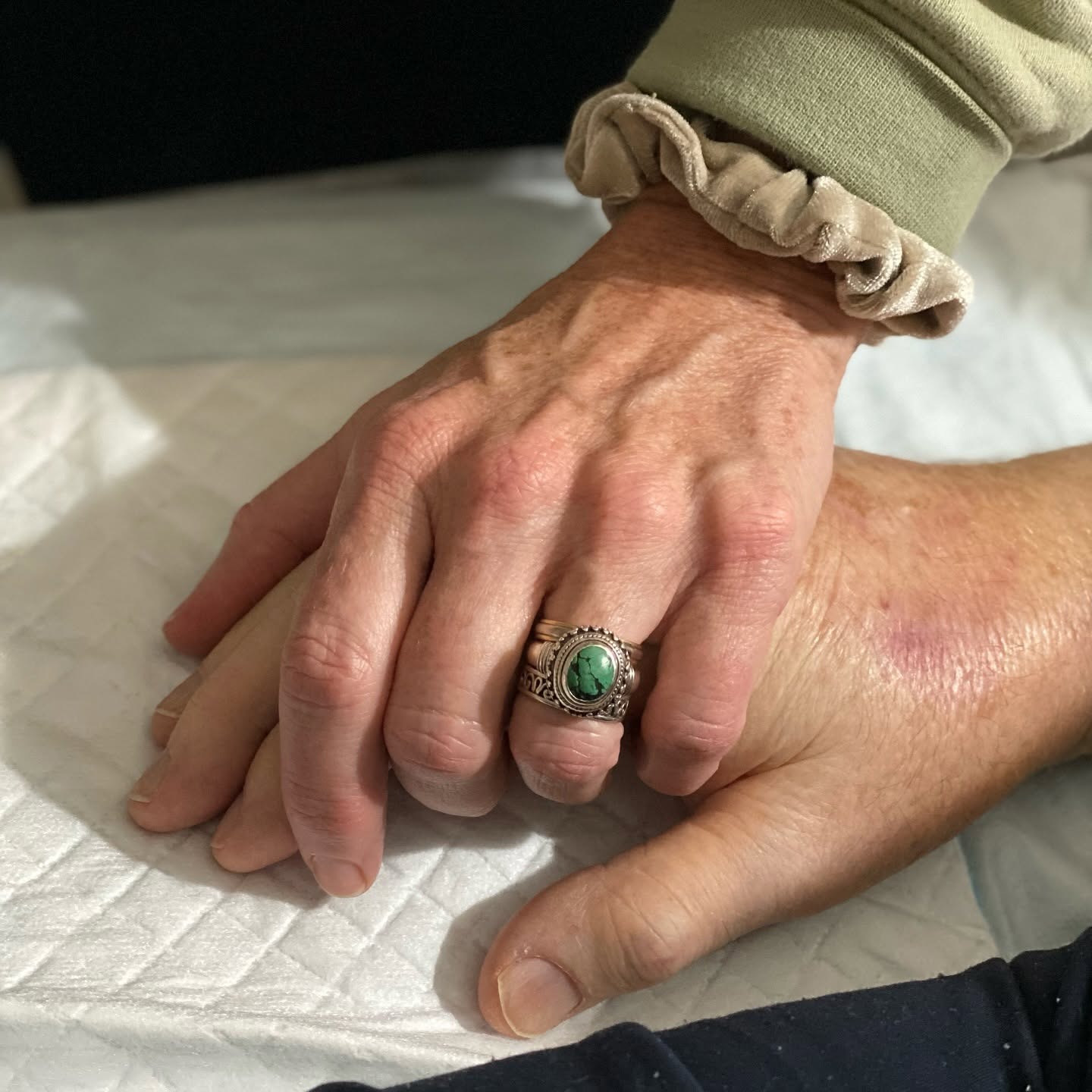
There are some experiences in life that change us in ways we cannot fully understand until we are living through them. Grief is one of those experiences.
It can arrive suddenly or slowly, and it can affect far more than our emotions. It can change how we sleep, how we eat, how we think, how much energy we have and even how we feel in our own bodies. Sometimes, simply getting through an ordinary day can take more from us than anyone else can see.
Since losing my Dad last year, I have thought a lot about grief, love and what it means to take care of yourself when your world has changed.
I recently came across these words from Ram Dass, and they really stayed with me.
“Grief is part of life. If you love, you grieve, and there is no way around it.”
There is something incredibly powerful about those words because they do not try to make grief smaller. They do not tell us that everything happens for a reason, that time heals everything or that eventually we will simply move on. Instead, they acknowledge something much more human. If we love, at some point we will experience loss.
Loss comes in many forms. We can lose a parent, a partner, a friendship, a marriage, a job that meant far more to us than just work, a beloved pet, or even a version of ourselves and our lives that we know is not coming back. Grief is not a malfunction, and it is not a sign that we are failing to cope or that we need to be “over it” by now. Grief exists because love existed.
When my Dad passed away last year, I experienced this in a way I never had before. I realised very quickly that grief does not only live in your heart or your mind. Your body carries it too. My body became stressed, I gained weight, my energy changed and my capacity changed. Things I would normally have been able to manage suddenly felt harder, and there were days when I simply could not do everything I usually did.
I had to learn that this was not something I needed to fight. There is no prize for being the person who gets back to normal the fastest after losing someone they love. In fact, I am not sure there really is a “back to normal”. Loss changes us, and sometimes part of grieving is learning who we are now that someone or something important is no longer physically part of our everyday life.
What I did know was that while I could not control what had happened, I could continue to look after myself. I did not need to do it perfectly, and I certainly was not trying to overhaul my health while I was grieving. Instead, I simply held onto my foundations.
Every day, I made sure I drank my water, had my greens and walked for at least 20 minutes. Those things might sound incredibly small, but at the time they mattered. I was not doing them because I was trying to lose weight or because I thought drinking water, having my greens and walking could somehow take away my grief. They could not. I did them because my body was already carrying enough, and I wanted to give it some of the things it needed to keep carrying me.
I think this is an important distinction when we talk about looking after ourselves during difficult seasons. Sometimes looking after yourself is not about improving yourself. It is simply about supporting yourself.
When you are grieving, you might not be able to exercise the way you normally do. You might not cook every meal from scratch, your sleep may be disrupted, your motivation might disappear and you may not be as productive, social or organised as you usually are. That does not mean you have stopped caring about yourself. It means you are human and you are carrying something heavy.
Instead of expecting yourself to maintain every habit and routine you had before, it can help to ask yourself what few things you can continue doing that will support you through this time. Your foundations might be drinking enough water, eating something nourishing, getting outside for a short walk, taking your medication or supplements, having a shower, going to bed at a reasonable time, talking to someone you trust or simply sitting outside in the fresh air for ten minutes. They do not have to be impressive. They just need to be possible.
I also do not believe grief is something you complete. I do not think there is a point where you suddenly graduate from grieving someone you deeply loved. The relationship you have with your grief changes, and gradually life begins to grow around it. There will be days when it feels further away, and there will be days when a song, a smell, a birthday, a photograph or a completely ordinary moment brings it rushing back.
That does not mean you have gone backwards. It simply means that person mattered.
There is something comforting to me about recognising that the depth of our grief reflects the depth of our love. If you are still hurting months or years later, it does not mean you are doing grief incorrectly. It means you loved deeply. I would choose the love every single time, even knowing the grief that would eventually come with it.
If you are going through loss right now, try not to put pressure on yourself to get back to being the person you were before. You might not be able to do everything you normally do, and that is okay. Instead, find your foundations and choose two or three small things that help care for your body and mind. On the days when you have more capacity, you can do more. On the days when you do not, let those foundations be enough.
Grief does not require you to be productive, find the lesson or make sense of what happened. Sometimes you simply need to allow yourself to miss someone, to love them, to grieve them and, at the same time, continue to gently look after yourself.
You do not have to do everything. Just keep taking care of your foundations and give yourself permission to start there.
Ali 🤎